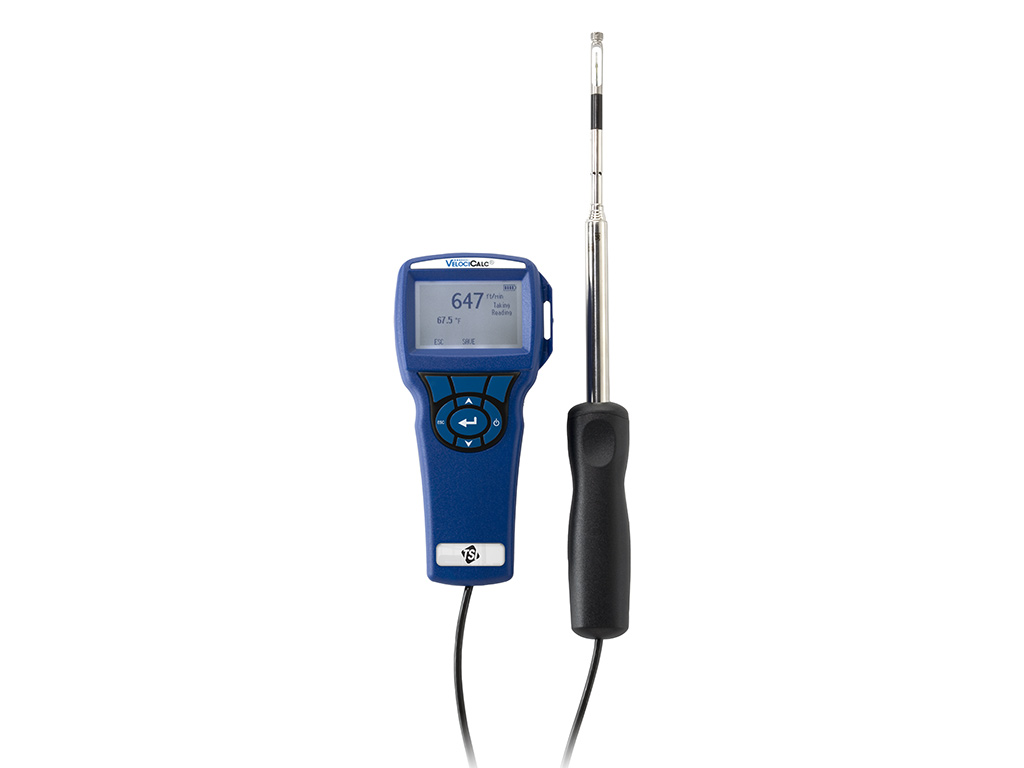
Plan airflow, pressure and environmental measurements around laboratory safety and room function. This guide is written for engineers, validation teams, quality professionals, EHS teams and procurement users who need to turn a search for laboratory airflow monitoring into a technically sound requirement.
Instrument selection should begin with the measurement objective, not a model number. Define what must be measured, where it will be measured, how often the measurement is required, how the result will be documented, and which approved procedure or standard governs the work. Those decisions determine the useful specifications far better than a long feature list.
Define the application before comparing products
Procurement works best when the RFQ describes the application, measurement range, environment, data requirements, accessories, calibration expectations and support needs. This lets suppliers recommend a technically suitable configuration and reduces price comparisons between unlike packages.
What to include in the requirement
- Application and operating environment.
- Required measurement parameters and ranges.
- Applicable standards, SOPs or customer specifications.
- Accessories, software, reports and communication interfaces.
- Calibration, training, installation, warranty and after-sales support.
Implementation checklist
- Write a one-sentence measurement objective.
- List the applicable SOP, protocol, customer requirement or standard.
- Define the required range, flow, accuracy, channels or parameters.
- Document environmental and access constraints.
- Specify data, reporting and integration requirements.
- Confirm calibration, training, service and lifecycle support.
- Run an application review before finalizing the purchase.
Questions to ask before you buy
Should I select an instrument only by price?
No. Compare technical suitability, included accessories, calibration scope, software/data functions, training, warranty, local support and expected lifecycle cost.
Why is application information important in an RFQ?
The same instrument category can be configured for very different tasks. Application details help the supplier recommend the correct range, flow, probe, accessories and documentation package.
How should I validate the final selection?
Review the proposed configuration against your approved requirement and current applicable procedures. For regulated applications, involve the responsible quality or validation team before purchase.